
Airflow duty, mounting and operating hours are more important than decorative features.
Premium Mist Cooling Solution
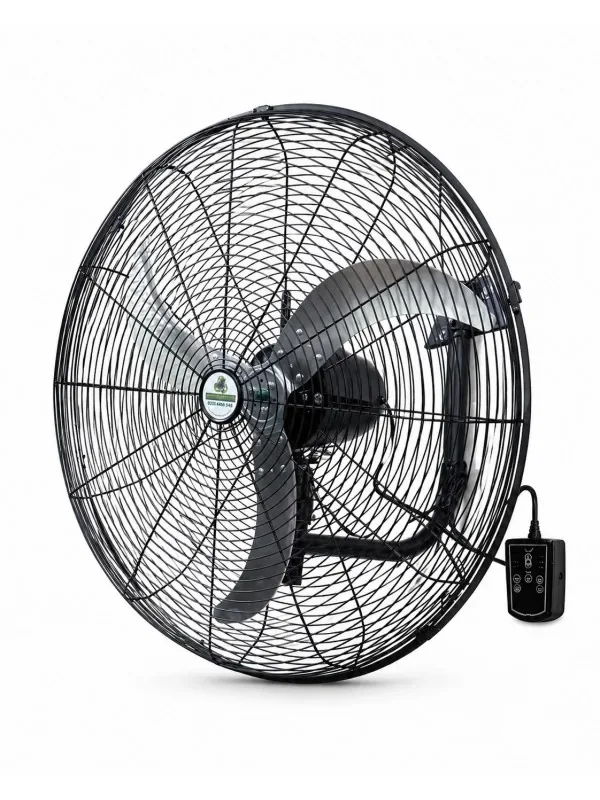
Industrial Fan
An industrial fan is selected primarily to move large volumes of air through factories, workshops, warehouses and production areas. The objective may be to reduce stagnant hot-air pockets, support general ventilation or improve worker comfort around specific zones.
Solution typemist fan, water fan and evaporative mist cooling applications
Focusoutdoor cooling, air comfort and controlled misting
Usagecafes, restaurants, gardens, terraces, hotels, factories, warehouses and event areas
 REAL APPLICATION
FIELD VIDEO • MEGAMIST
See Industrial Fan in a Real Application
Watch airflow, fine mist distribution and practical outdoor cooling performance related to Industrial Fan. The video opens inline without leaving the product page.
Inline playbackPrivacy enhancedMobile optimized
What Is an Industrial Fan?
An industrial fan is a robust air-moving unit designed for demanding environments and longer operating periods than typical domestic fans. Depending on the site, it may be pedestal-mounted, wall-mounted or integrated into a wider ventilation plan. Misting is optional and should only be added after moisture and process compatibility are reviewed.
Industrial Airflow for Warehouses and Production Areas
Large spaces contain racking, machinery, partitions and heat-producing processes that interrupt airflow. Fan quantity and direction should be based on these obstacles, ceiling height and the locations where people or equipment need air movement.
Industrial performance is not measured by fan diameter alone. Air delivery, throw, motor duty, control options, mounting height and acoustic limits all influence whether the selected model can operate effectively during the required shift pattern.
Correct model selection
Wall-mounted fans preserve floor space and can target fixed work zones.
Professional positioning
Pedestal or mobile fans allow airflow to follow temporary production or loading activities.
How Is Industrial Fan Airflow Applied?
The fan accelerates ambient air and directs it across a defined path. In a large hall, several units may be arranged to prevent opposing air streams and dead zones. The design should complement, not obstruct, existing extraction, make-up air or process ventilation equipment.
Outdoor cooling support
Semi-open business areas
Nozzle-assisted misting
Strong air circulation
Industrial Fan Selection and Safety
Review airflow requirement, motor rating, duty cycle, enclosure, guard design, mounting structure, vibration, control method and maintenance access. Dust, humidity, temperature and corrosive exposure may affect the required construction and electrical protection.
Mounting points must carry the equipment load and resist vibration. Safe clearances around blades and guards, secure cable routes and lockable controls should be confirmed during installation planning.
Selection note: Industrial fan sizing should consider airflow, throw direction, mounting position, duty cycle and the occupied zone together, not fan diameter alone.
Application process
Industrial Fan Project Method
Airflow, structure and operational safety are reviewed before fan positions are finalized.
Heat and Airflow Survey
Identify heat sources, dead zones, occupied workstations and the direction of existing ventilation.
Mounting Assessment
Check wall, column or floor conditions, safe clearances and service access for each proposed position.
Duty and Control Selection
Match airflow and motor duty to shift length, control needs, noise limits and environmental exposure.
Installation Verification
Confirm fastening, vibration, guard clearances, electrical protection and actual airflow after commissioning.
Related services
Compare Industrial Fan with Related Fan Solutions
Review the related pages to distinguish industrial fan from other water-assisted, misting and industrial airflow options.
Frequently asked questions
Industrial Fan Frequently Asked Questions
These answers focus on airflow planning and safe operation in large work environments.
Where are industrial fans commonly used?
They are used in factories, warehouses, workshops, loading areas and other large spaces that require controlled air movement.
Is the largest fan always the best choice?
No. Airflow, throw, mounting height, obstacles, noise and duty cycle must be considered together.
Can an industrial fan replace an extraction system?
Not automatically. A circulation fan moves air within the space; contaminant extraction and fresh-air requirements need separate engineering.
Can misting be added to an industrial fan?
It may be possible when the process, electrical equipment, floor safety and humidity limits allow it. The water system requires a separate review.
What maintenance is important?
Typical checks include guards, fasteners, vibration, bearings or motor condition, electrical connections and cleaning according to the manufacturer’s schedule.
What site details are needed?
Provide hall dimensions, ceiling height, heat sources, workstation locations, mounting possibilities, shift duration and existing ventilation information.
Quote and contact
Map Industrial Airflow Before Selecting the Fan
Share the building dimensions, work zones and mounting photographs so airflow duty, fan positions and control requirements can be evaluated.
CONTACT NUMBERS
0 (532) 282 84 860 (212) 546 55 46