
Hydraulic balance, filtration and nozzle layout are central to the design.
Premium Mist Cooling Solution
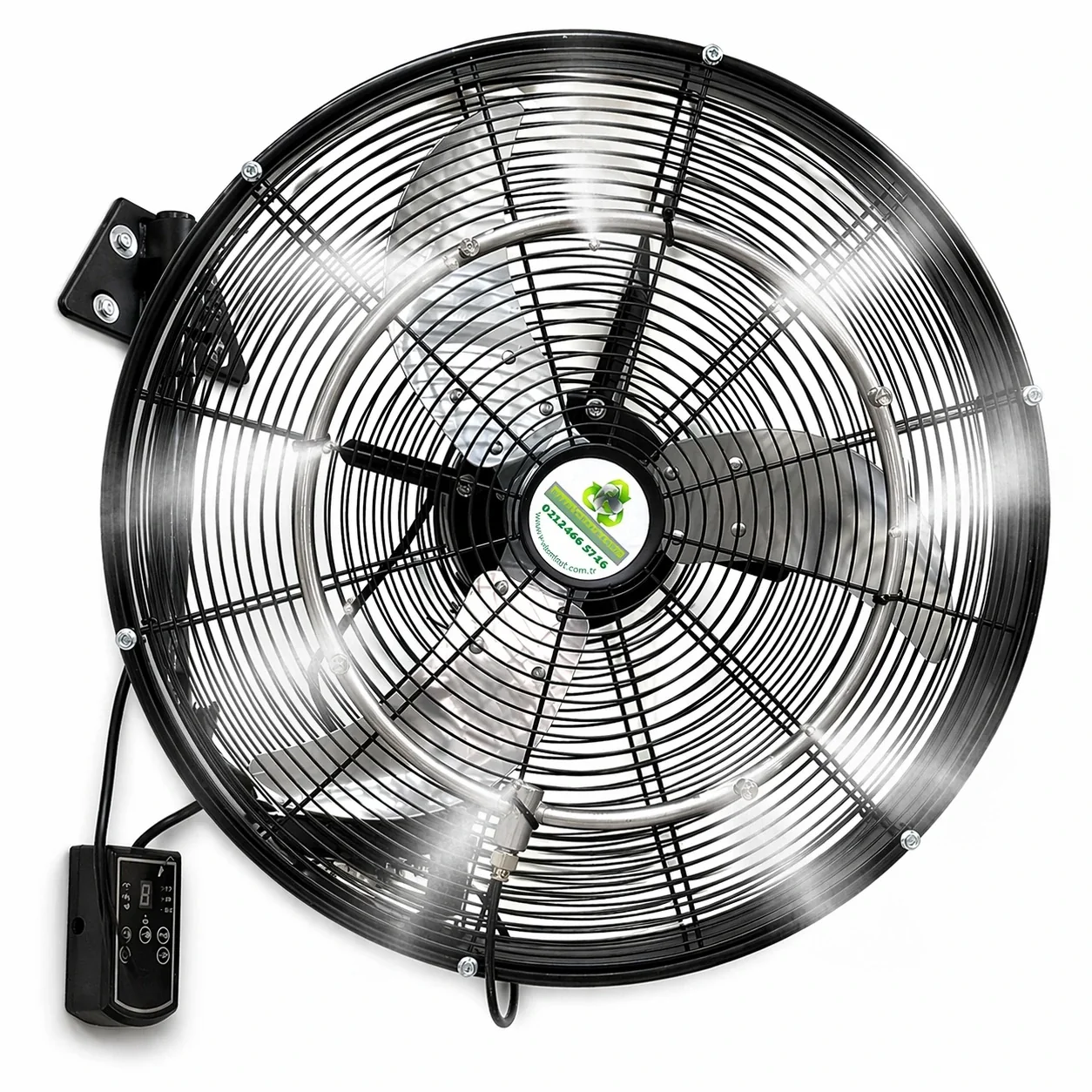
Mist Cooling Fan
A mist cooling fan is usually considered when outdoor comfort requires both strong airflow and a controlled pump-fed misting system. It is suitable for larger terraces, event areas and commercial zones where several units may need to operate together.
Solution typemist fan, water fan and evaporative mist cooling applications
Focusoutdoor cooling, air comfort and controlled misting
Usagecafes, restaurants, gardens, terraces, hotels, factories, warehouses and event areas
 REAL APPLICATION
FIELD VIDEO • MEGAMIST
See Mist Cooling Fan in a Real Application
Watch airflow, fine mist distribution and practical outdoor cooling performance related to Mist Cooling Fan. The video opens inline without leaving the product page.
Inline playbackPrivacy enhancedMobile optimized
What Is a Mist Cooling Fan System?
A mist cooling fan system combines one or more fans with filtered water, a pump, distribution tubing and atomizing nozzles. The fans carry the fine mist through the occupied area. Unlike a standalone tank unit, a centralized system can supply multiple points, but it requires pressure and line-loss calculations.
Cooling Coverage with a Central Pump and Fan Network
Coverage is planned from the outside inward: target zones, wind and fan locations are defined first, then the pipe route and pump demand are calculated. This avoids selecting a pump before the actual number of nozzles and line distances are known.
Each fan should receive stable pressure and an appropriate water output. Long lines, elevation changes and simultaneous operation can affect the last nozzles in the network, so commissioning includes balancing and leak checks.
Correct model selection
Centralized supply reduces the need to refill individual tanks during long operating periods.
Professional positioning
Zoning and control options allow only the occupied sections to operate when the layout permits.
How Does a Pump-Fed Mist Cooling Fan Work?
The pump sends filtered water through the distribution line to fan-mounted nozzles. The nozzles atomize the water and fan airflow distributes it across the target area. Evaporation and comfort depend on ambient conditions, so the system should support adjustment rather than a single fixed output.
Outdoor cooling support
Semi-open business areas
Nozzle-assisted misting
Strong air circulation
Mist Cooling Fan System Design Criteria
The design checks pump flow and pressure, filtration, pipe diameter, total line length, nozzle count, zone controls, drainage and electrical coordination. The fan airflow and mounting are selected at the same time so the hydraulic and air sides support each other.
Service access is important: filters, pump, valves and end-of-line points should remain reachable after furniture and landscaping are installed. A hidden but inaccessible line can increase maintenance time and operating risk.
Project note: Cooling comfort is affected by airflow, mist output, humidity, wind and distance to the target zone. These variables should be tuned as one system.
REAL APPLICATION PHOTOS
Explore Mist Cooling Systems in Real Projects
Review real application images of mist fans and cooling systems used in cafés, restaurants, industrial facilities and outdoor areas.


Application process
Central Mist Cooling Project Stages
The project links site layout, hydraulics, electrical supply and operating controls in one plan.
Zone Definition
Identify occupied sections, wind exposure, opening hours and the areas that may operate independently.
Pump and Line Calculation
Calculate flow, pressure loss, line route, filtration and nozzle quantity from the final fan layout.
Fan and Control Placement
Coordinate fan mounts, valves, controls, power and service access without obstructing the customer area.
Balancing and Handover
Test simultaneous operation, correct pressure differences, inspect leaks and document maintenance procedures.
Related services
Compare Mist Cooling Fan with Related Fan Solutions
Review the related pages to distinguish mist cooling fan from other water-assisted, misting and industrial airflow options.
Frequently asked questions
Mist Cooling Fan System Frequently Asked Questions
These answers cover pump sizing, zoning and maintenance for multi-fan installations.
When is a central system preferable to tank-fed fans?
It is often preferable for fixed layouts, several fans and long daily operating periods where repeated tank refilling would be impractical.
How is the pump selected?
Pump selection follows total nozzle demand, required pressure, line losses, elevation and the number of zones that can run simultaneously.
Can different areas operate separately?
Yes, when valves and controls are designed as zones. The hydraulic effect of each operating combination should be checked.
What prevents nozzles from blocking?
Suitable filtration, water-quality management, flushing and scheduled inspection reduce blockage risk.
Does the system require drainage?
Drain and winterization provisions depend on the installation and climate. They should be planned before pipe routes are concealed.
What information is required for design?
Provide a scaled layout, fan locations if known, line distances, water source, electrical points, operating schedule and site photographs.
Quote and contact
Plan a Pump-Fed Mist Cooling Network
Share the area layout and infrastructure details so fan quantity, nozzle demand, pump capacity, zoning and service access can be calculated together.
CONTACT NUMBERS
0 (532) 282 84 860 (212) 546 55 46
E-MAIL ADDRESS
[email protected]ADDRESS
Sümer Mahallesi Prof. Dr. Turan Güneş Caddesi Sahil Park Sitesi A5 Blok No:141EC Zeytinburnu / IstanbulMEGAMIST PRODUCT CENTER
Mist cooling fan system selection
Review pump-fed mist cooling, fan airflow and system integration requirements for larger outdoor zones.
Explore MEGAMIST fan technologiesMEGAMIST ↗