
The correct solution depends on the site, not only on the fan diameter or product name.
Premium Mist Cooling Solution
Mist Fan
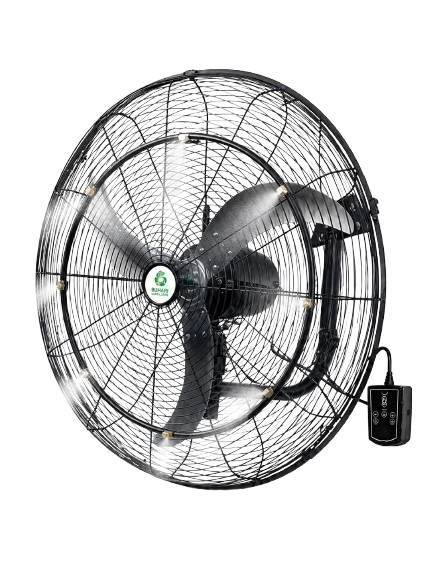
A mist fan combines directed airflow with a controlled fine-spray effect for outdoor and semi-open areas. It is commonly evaluated for cafés, restaurant terraces, hotel gardens, event zones and commercial seating areas where ordinary air movement does not provide enough summer comfort.
Solution typemist fan, water fan and evaporative mist cooling applications
Focusoutdoor cooling, air comfort and controlled misting
Usagecafes, restaurants, gardens, terraces, hotels, factories, warehouses and event areas
 REAL APPLICATION
FIELD VIDEO • MEGAMIST
See Mist Fan in a Real Application
Watch airflow, fine mist distribution and practical outdoor cooling performance related to Mist Fan. The video opens inline without leaving the product page.
Inline playbackPrivacy enhancedMobile optimized
What Is a Mist Fan?
A mist fan is a fan-based cooling unit that introduces finely atomized water into the moving air. Depending on the application, the water may come from an integrated tank or from a filtered pump-and-line system. The airflow helps distribute the mist, while suitable nozzle selection, distance and ambient conditions support evaporation before droplets reach occupied surfaces.
Planning Mist Fan Performance for Hospitality Areas
Performance is influenced by sun exposure, wind, relative humidity, seating density, operating hours and the distance between the fan and guests. A shaded terrace with controlled airflow has different needs from an exposed event area, so quantity and placement should be based on the actual layout.
For customer-facing spaces, visual appearance, noise, safe cable routing and unobstructed walkways are considered together with airflow. The aim is to create a comfortable zone without placing equipment too close to tables, doors or service routes.
Correct model selection
Mobile models support seasonal layouts and can be repositioned as seating plans change.
Professional positioning
Fixed or line-fed systems are better suited to repeatable coverage and longer daily operation.
How Does a Mist Fan Operate?
The fan moves air across the target zone while the water system creates small droplets at the fan ring or nozzle assembly. When site conditions are suitable, part of the water evaporates and absorbs heat from the surrounding air. Nozzle cleanliness, water filtration, pressure stability and fan angle all affect the consistency of the result.
Outdoor cooling support
Semi-open business areas
Nozzle-assisted misting
Strong air circulation
Mist Fan Selection Criteria
Compare airflow, oscillation range, mobility, water supply method, nozzle serviceability, sound level and electrical protection. For line-fed systems, the pump, filter, tubing and number of active nozzles must be treated as one system rather than selected separately.
A professional site review also checks prevailing wind, nearby electronics, drainage, floor condition and the locations where people remain for the longest time. These details determine whether a mobile unit, a fixed fan or a distributed misting layout is the more practical choice.
Project note: Choose between mobile, tank-fed and line-fed configurations by considering operating hours, water and power access, wind, seating layout and required mobility.
REAL APPLICATION PHOTOS
Explore Mist Cooling Systems in Real Projects
Review real application images of mist fans and cooling systems used in cafés, restaurants, industrial facilities and outdoor areas.


Application process
Mist Fan Project Workflow
A reliable installation starts with site conditions and ends with operating guidance, not with product selection alone.
Outdoor Layout Review
Measure the occupied area, identify shade and wind direction, and map tables, doors and pedestrian routes.
Water and Power Check
Confirm water quality, refill or line-feed options, electrical access and safe cable routing.
Coverage and Placement Plan
Select fan quantity, operating angle and spacing so airflow overlaps without creating uncomfortable high-velocity zones.
Commissioning and User Guidance
Test mist intensity and oscillation, explain cleaning and shutdown routines, and record seasonal maintenance needs.
Related services
Compare Mist Fan with Related Fan Solutions
Review the related pages to distinguish mist fan from other water-assisted, misting and industrial airflow options.
Frequently asked questions
Mist Fan Frequently Asked Questions
These answers focus on the practical decisions that affect mist fan comfort, installation and daily operation.
Is a mist fan suitable for every outdoor area?
It is most effective where airflow can be directed through an occupied zone and excessive crosswind does not immediately carry the mist away. Site conditions should be reviewed before quantity is confirmed.
Does a mist fan always need a high-pressure pump?
No. Some mobile units use an integrated tank and internal water system. Larger or fixed installations may use a filtered external pump and line to supply several fans.
How can unwanted wetness be reduced?
Use the correct nozzle, pressure, distance and operating angle; avoid over-supplying water in humid conditions; and keep nozzles clean so droplets remain consistent.
What routine maintenance is required?
Typical tasks include tank cleaning where applicable, filter checks, nozzle inspection, leak control and safe storage or winter shutdown according to the equipment instructions.
How many mist fans are needed?
The answer depends on usable area, fan reach, wind, seating density and obstructions. A layout plan is more reliable than a simple square-metre rule.
What information helps prepare a quotation?
Share area dimensions, photos, opening hours, water and power availability, expected mobility and the zones where users need the strongest comfort effect.
Quote and contact
Plan a Mist Fan Layout for Your Space
Send the approximate dimensions, current seating plan and site photographs. The project team can then compare mobile and fixed options and propose a practical quantity, placement and water-supply approach.
CONTACT NUMBERS
0 (532) 282 84 860 (212) 546 55 46